- DECORKED
- Posts
- 🌏 The Wine Reset
🌏 The Wine Reset
In this week’s DECORKED digest, we cover Alentejo’s wine revival, potential grape shortages in California, China’s evolving wine market, the hidden power of vine roots, the sensory limits of NZ whites, and much more.

Collection of important links, information, and more.
📌 EMAIL - contact for business inquiries
📌 ADVERTISING - for advertising inquiries contact us via the email above
Happy Monday! We hope you have a great week ahead. In this week’s DECORKED digest, we cover Alentejo’s wine revival, potential grape shortages in California, China’s evolving wine market, the hidden power of vine roots, the sensory limits of NZ whites, and much more. Keep reading!
➡️ PARTNERSHIP/SPONSORSHIP packages are available! Advertise your wine-related brand/product/story with the best community out there. For contact, please see above.

Read the most important and interesting news this week.
📝 Wineries pivoting from education to experiences to attract new guests READ HERE
🍷 Wine Paris 2026: the trade show for international wines and spirits READ HERE
🔥 Wildfires threaten Chile's Itata and Bio Bio wine regions READ HERE
📌 Why this affordable white wine is worth saving for later READ HERE
🥂 Global Champagne shipments fall by 2% in 2025 READ HERE

Collection of partnerships and collaborations.
📌 AMBLE WINE PARTNERSHIP - Explore the world of wine with Amble Wine's comprehensive World Wine Map Workbooks and challenging Wine Quiz Workbook, masterfully crafted by wine scholar Lea Gatinois. As our valued reader, enjoy a 5% discount on these premium, eco-friendly resources using code DECORKED at checkout (or click HERE). Expand your wine expertise today!

We curate, filter, and select only the most exciting and important news for you.
NEW TARIFF SHOCKS
A proposed 200% US tariff would effectively price most French wine out of the American market, tripling landed costs and causing imports to collapse. While the US could avoid shortages thanks to high inventories and alternative supply, consumers would face higher prices and less choice, especially in Champagne, which dominates US sparkling wine consumption. Restaurants and wine bars would feel the impact quickly. For France, where the US accounts for about 20% of export value, the damage would be severe, forcing excess wine into Europe and nearby markets, intensifying competition and compressing margins. Ultimately, such tariffs would act less as leverage and more as a consumer tax, with ripple effects across global wine trade.
ROOTS SHAPE VINE PERFORMANCE
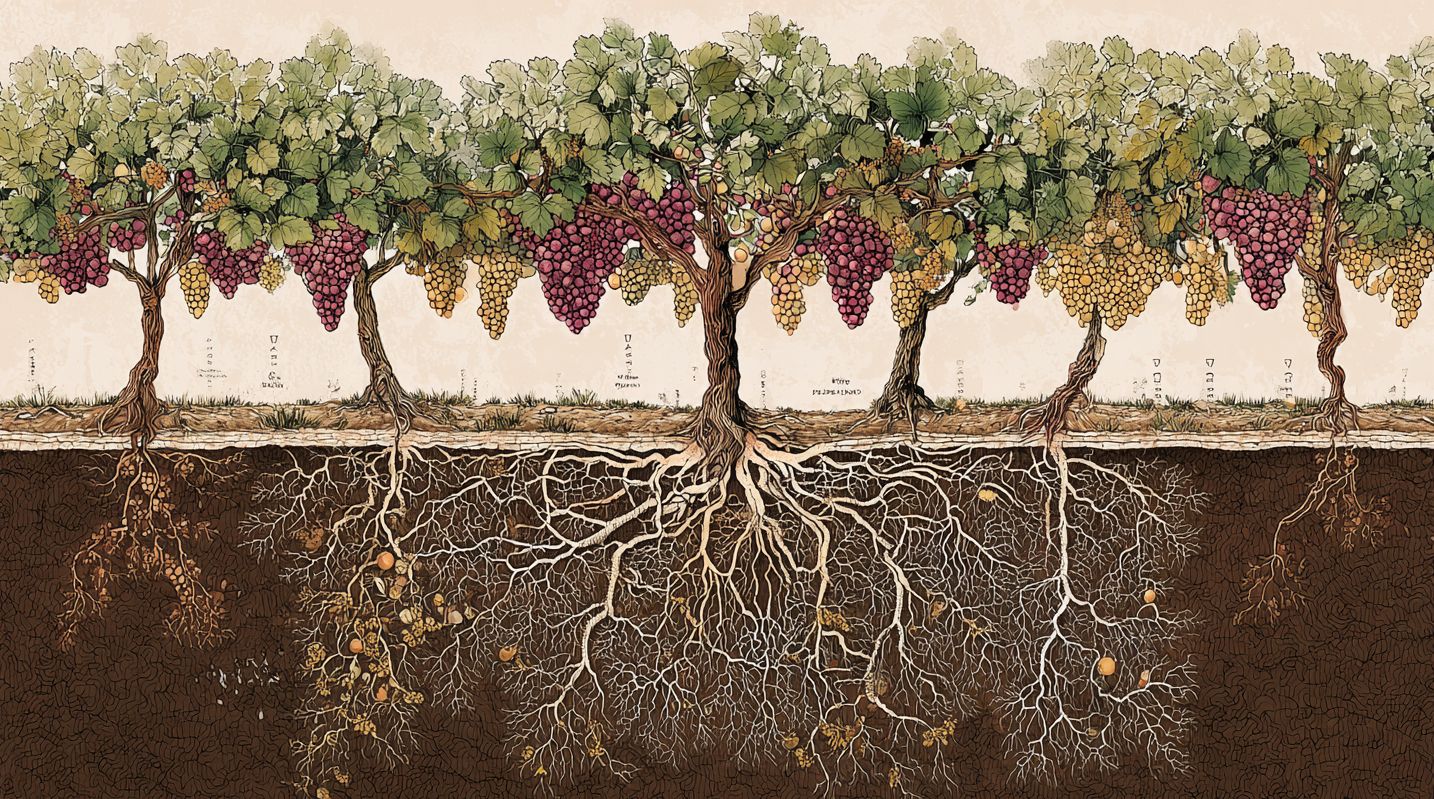
Grapevine roots play a fundamental role in determining vine health, growth balance, and long-term productivity. Beyond anchorage and nutrient uptake, root systems store essential reserves, regulate early-season growth, and influence canopy development through hormone production and soil–microbe interactions. While rootstocks tend to show similar overall root distribution, research consistently highlights root system density as a critical differentiator, closely linked to vine vigor, yield potential, and resilience under stress. These findings underscore the importance of soil preparation and informed rootstock selection, positioning below-ground management as a decisive factor in vineyard performance and sustainability.
MORE ISN’T ALWAYS BETTER
New research from Massey University, Lincoln University, and the Bragato Research Institute shows that pushing aromatic intensity in New Zealand white wines has clear sensory limits. Focusing on varietal thiols, the study found that while moderate levels enhance freshness and appeal, especially in Sauvignon Blanc, excessive concentrations reduce perceived typicity, trigger negative descriptors, and can even blur varietal identity. Sauvignon Blanc proved most sensitive, with high-thiol examples sometimes mistaken for Chardonnay, while Pinot Gris showed little impact, and Chardonnay revealed a gap between sensory quality and consumer expectations.
CHINA’S YEAR OF RESET
As the Year of the Horse begins, China’s wine market is shifting toward adaptation, value and clearer identity. White wine remains the main growth driver, with domestic Chardonnay improving, while Blanc de Noirs offers a practical solution to red grape surplus. Producers are diversifying into sparkling, low- and no-alcohol wines and spirits, driven by both creativity and the need for revenue. Value for money is becoming decisive across all price tiers, regional competition is intensifying beyond Ningxia, and trade education and promotion are moving closer to consumers. Together, these trends point to a more resilient, self-defined phase for Chinese wine, shaped less by imitation and more by terroir and national confidence.
CALIFORNIA’S GRAPE PARADOX
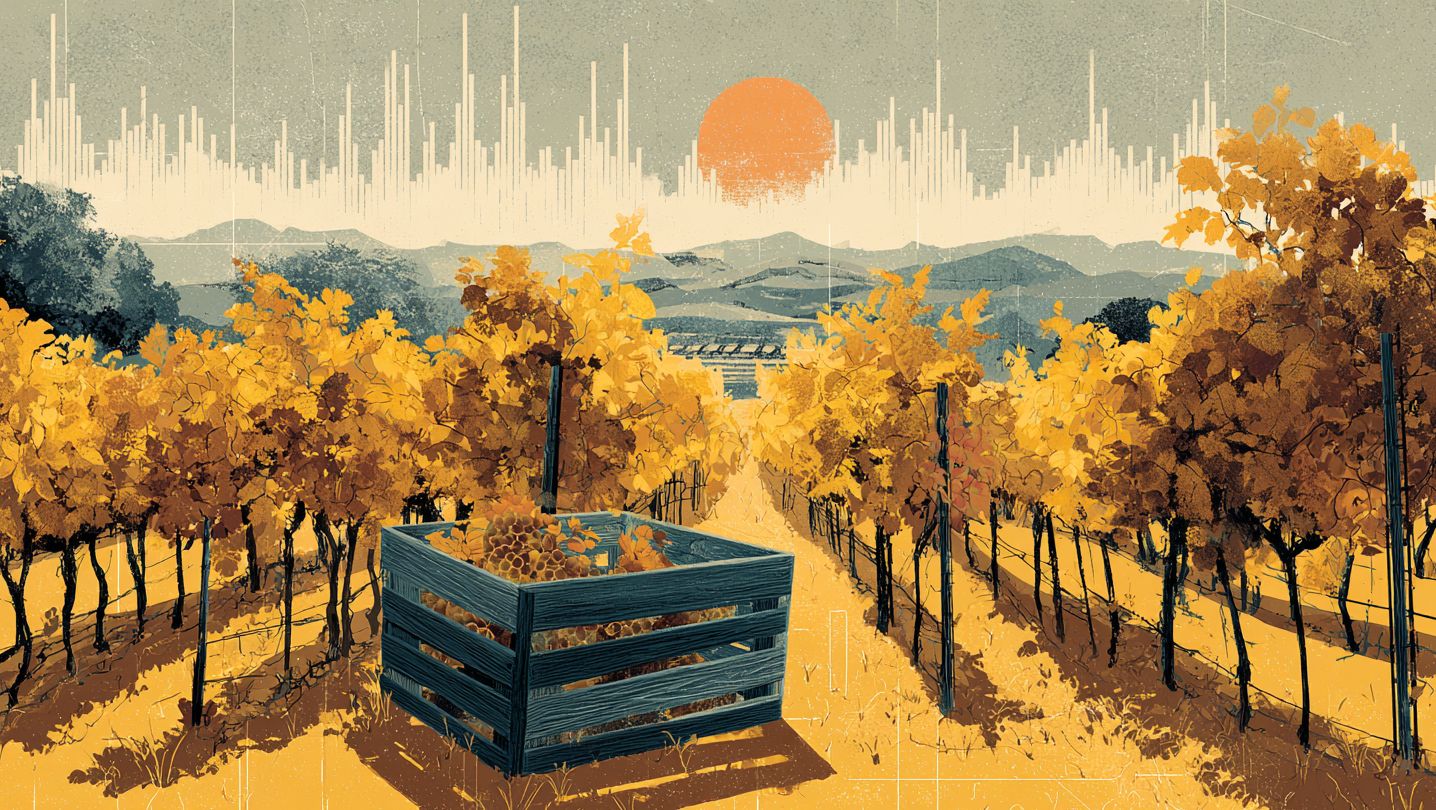
Despite years of oversupply, California may face a grape shortage in 2026 as one of its smallest harvests in nearly five decades coincides with growers scaling back vineyard care. Analysts estimate the crush could fall to around 2.25 million tons, potentially tightening availability by summer even as the industry struggles with declining wine consumption and market share. While this could help rebalance supply and demand, it comes amid broader structural pressures: US wine volumes continue to fall, younger consumers are drinking less for economic reasons, and mass-market brands are losing ground to imports and private labels. In contrast, the spirits sector (particularly whiskey) faces the opposite problem, with years of excess inventory still working through the system.
WINE WITHOUT THE HEADACHE
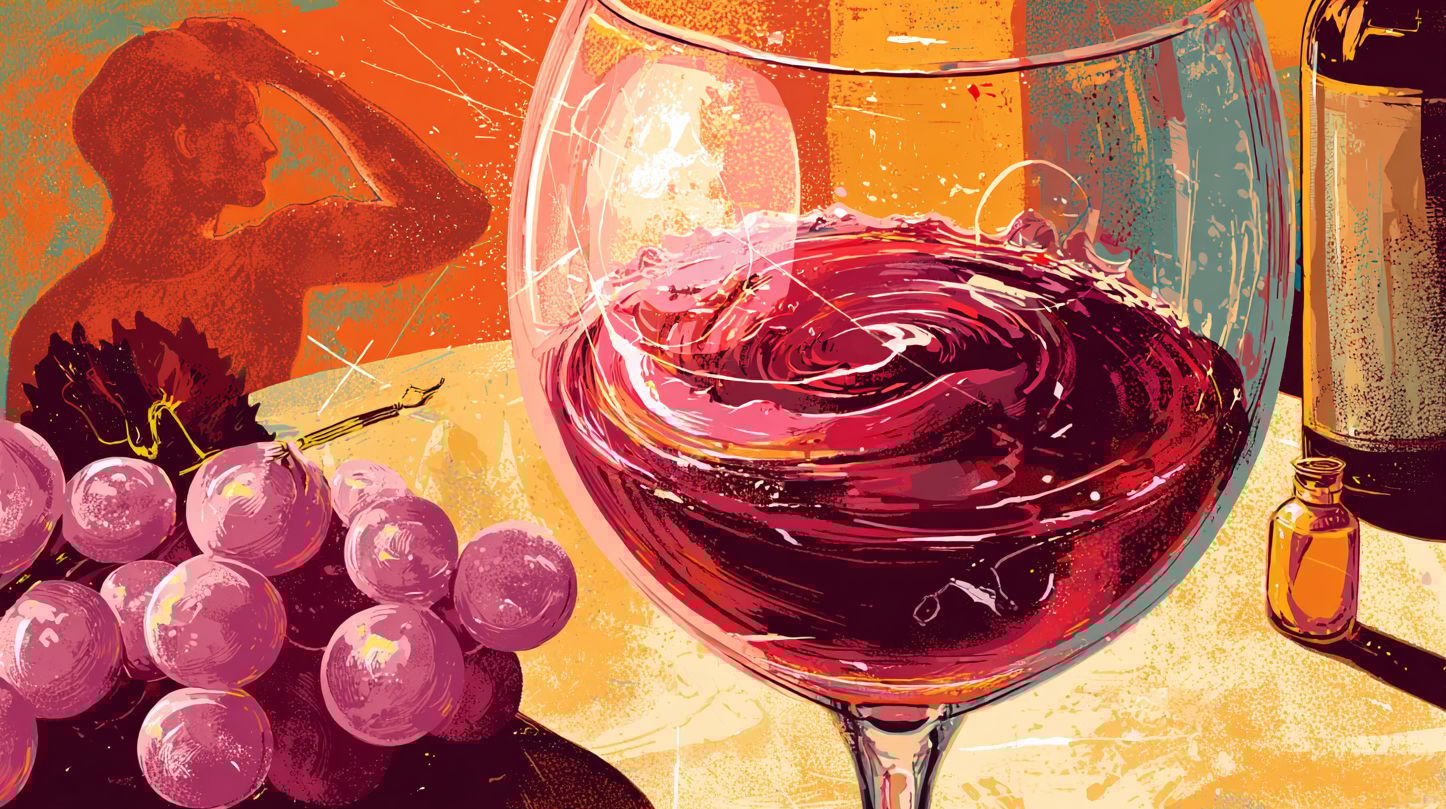
New research points to quercetin - not sulfites or histamines- as a primary trigger behind wine-related headaches. Found in high concentrations in premium red wines, quercetin can interfere with alcohol metabolism, leading to acetaldehyde buildup and symptoms such as headaches and flushing. Vineyard practices that increase sun exposure and extraction tend to raise quercetin levels, helping explain why some drinkers react more strongly to certain styles. Emerging evidence suggests compounds like dihydromyricetin (DHM) may support acetaldehyde breakdown, offering potential relief for sensitive consumers.
ALENTEJO REINVENTS PORTUGUESE WINE
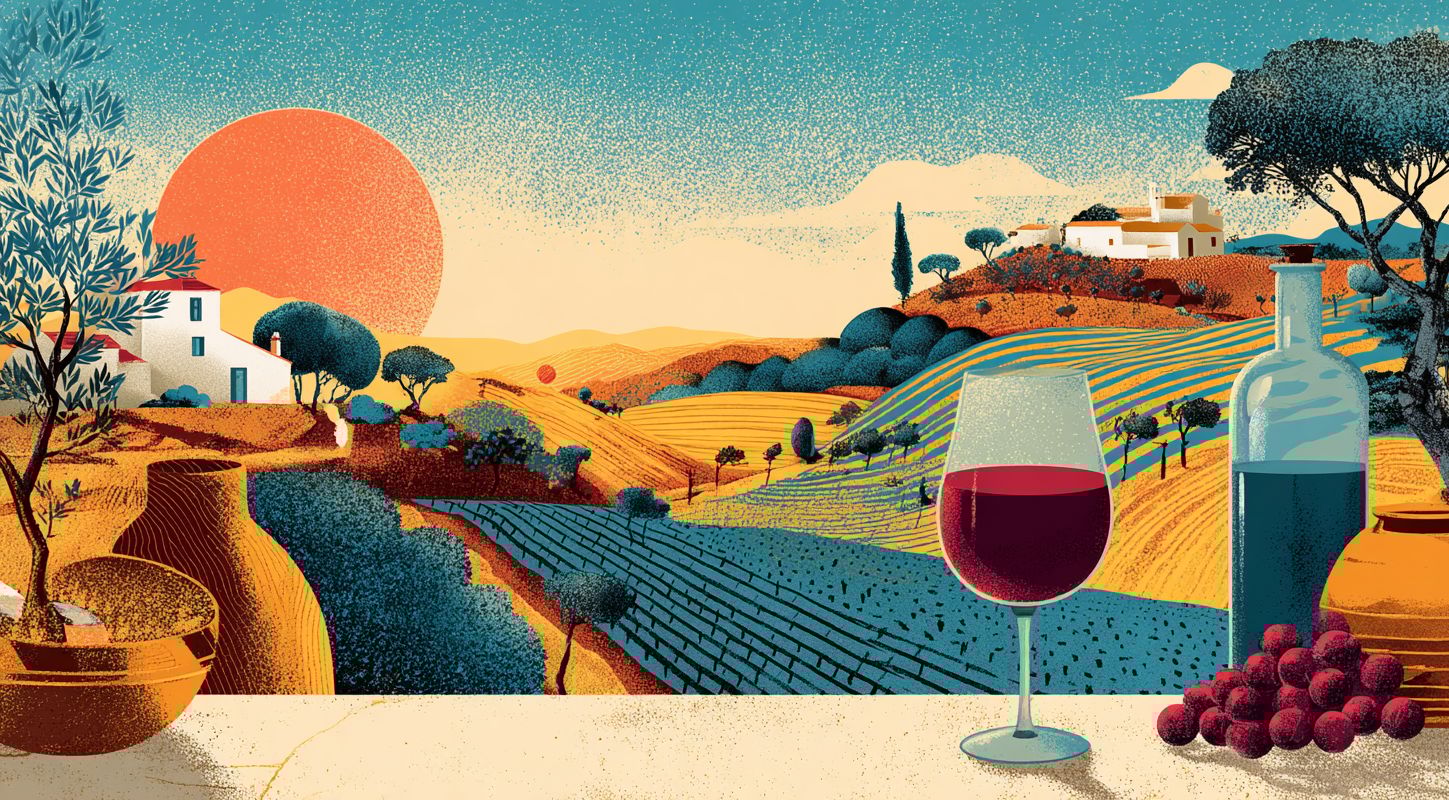
Alentejo is emerging as a top destination for wine professionals, blending tradition and innovation. The region has shifted from international grapes to indigenous varieties like Antão Vaz, Trincadeira, and Alicante Bouschet, producing wines with authentic character. Its diverse sub-regions, from cooler northern hills to warmer southern plains, offer unique terroirs, while wineries like Herdade do Esporão and Vidigueira’s Talha producers highlight both heritage and modern winemaking.

Learn something new every week.

Copyright @ Tripadvisor
WINE REGION OF THE WEEK: EL JADIDA, MOROCCO
El Jadida, a historic coastal town south of Casablanca, is gaining recognition for its emerging wine scene. Benefiting from a cool Atlantic climate, the region produces crisp, mineral-driven whites like Chardonnay and Pinot Gris, while Merlot offers lighter, approachable reds compared to Morocco’s typically bold styles.
Copyright @ Wikipedia
GRAPE OF THE WEEK: GAGLIOPPO
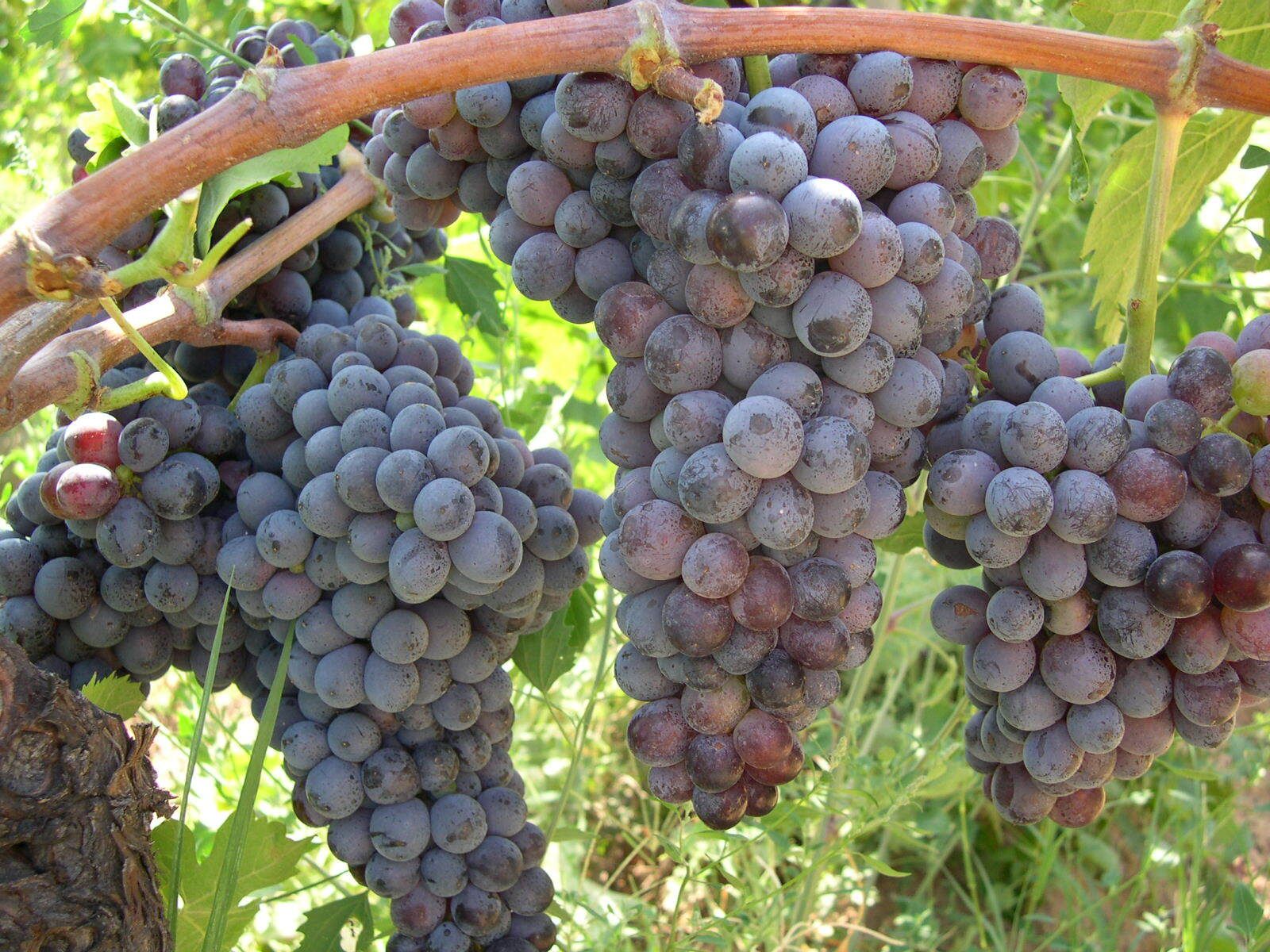
Gaglioppo, a historic southern Italian grape, thrives in Calabria’s mountainous Ciro DOC, producing soft red wines with crushed berry, cherry, and spice notes. Likely a Sangiovese descendant, the variety benefits from high-altitude vineyards and careful harvest and fermentation to maintain acidity and structure. While primarily grown in Calabria, it is also cultivated in Abruzzo, Marche, and Umbria, where it is often used for blending
How are you satisfied with this week's DECORKED?Let us know, so we can do better. Simply click bellow. |
If someone forwarded this email to you, click HERE to subscribe.

Help us grow and earn rewards.