- DECORKED
- Posts
- ✨ Spain's Sparkling Reset
✨ Spain's Sparkling Reset
In this week’s DECORKED digest, weexplore Spain’s sparkling shake-up, rising trade tensions from Switzerland to India, why wine’s image is slipping with new drinkers, and whether storytelling still sells.

Collection of important links, information, and more.
📌 EMAIL - contact for business inquiries
📌 ADVERTISING - for advertising inquiries contact us via the email above
Happy Monday! We hope you have a great week ahead. In this week’s DECORKED digest, we explore Spain’s sparkling shake-up, rising trade tensions from Switzerland to India, why wine’s image is slipping with new drinkers, and whether storytelling still sells. Keep reading!
➡️ PARTNERSHIP/SPONSORSHIP packages are available! Advertise your wine-related brand/product/story with the best community out there. For contact, please see above.

Read the most important and interesting news this week.
🍷 New type of Bordeaux wine to gain official status due to climate pressure READ HERE
⛓️💥 LVMH Wines & Spirits close 2025 on a sour note READ HERE
📝 A practical guide to winery internships READ HERE
🥂 ProWein’s vision for sparkling wine READ HERE
🔍 What’s on at Wine Paris READ HERE

Collection of partnerships and collaborations.
📌 AMBLE WINE PARTNERSHIP - Explore the world of wine with Amble Wine's comprehensive World Wine Map Workbooks and challenging Wine Quiz Workbook, masterfully crafted by wine scholar Lea Gatinois. As our valued reader, enjoy a 5% discount on these premium, eco-friendly resources using code DECORKED at checkout (or click HERE). Expand your wine expertise today!

We curate, filter, and select only the most exciting and important news for you.
SPAIN’S SPARKLING REBOOT
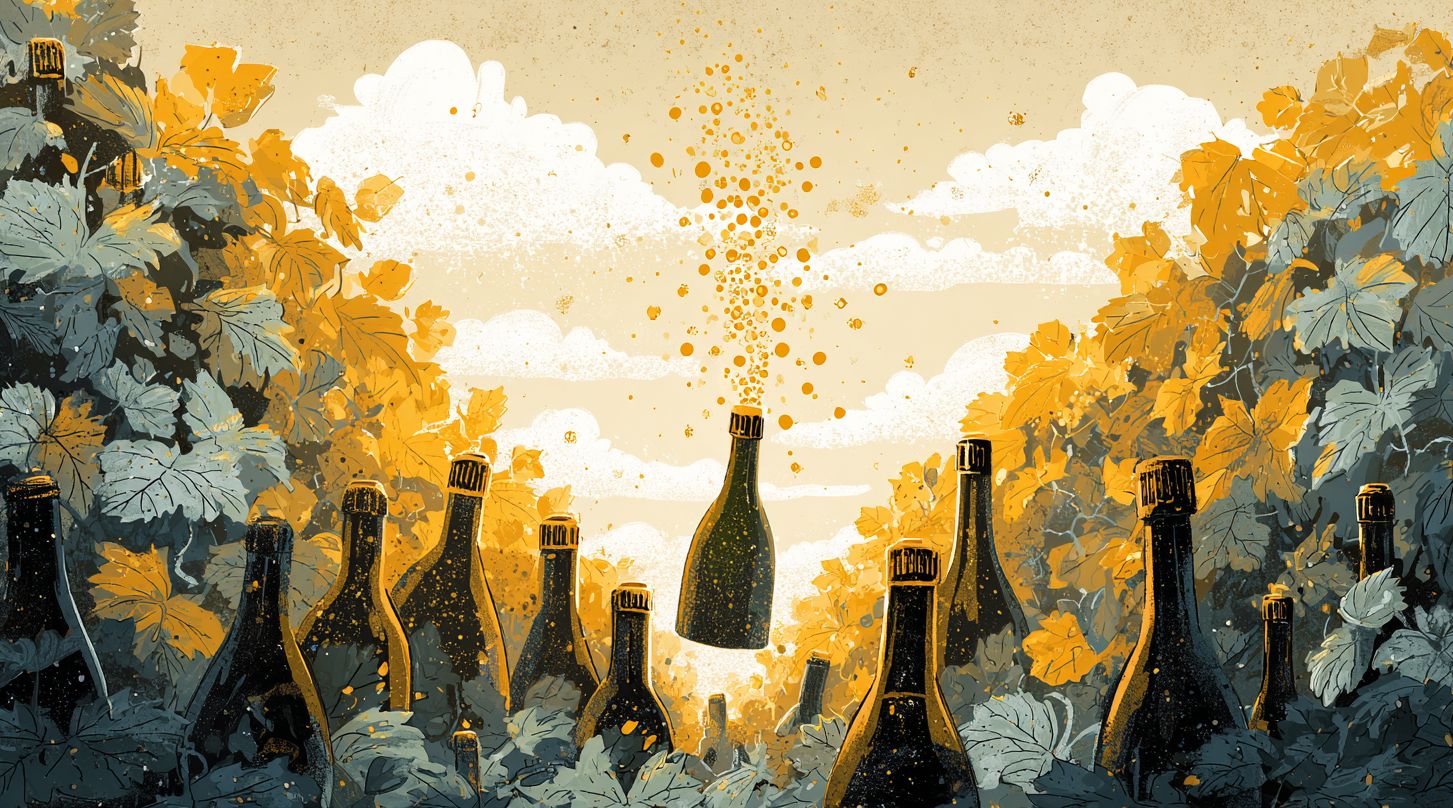
Long overshadowed by Champagne and Prosecco, Spanish sparkling wine is at a crossroads as declining Cava sales and low price perception push quality-focused producers to break away and redefine the category. New movements like Corpinnat and Clàssic Penedès aim to distance themselves from Cava’s “cheap and cheerful” image through stricter geographic limits, organic farming, longer lees aging, and greater transparency, positioning their wines as serious, place-driven alternatives. While confusion remains a risk, supporters see clearer differentiation as the only way to rebuild value and credibility.

IMPORTS VS SWISS WINE
Swiss wine growers are calling for tighter limits on European imports as falling domestic consumption, persistent overproduction, and cheaper foreign wines squeeze local producers. Grower groups want to revive a quota-style system linking wine imports to sales of Swiss wine, a move that could disrupt EU exporters for whom Switzerland is a key market. Critics warn that such protection would offer only short-term relief, leaving deeper challenges unresolved (including weak positioning, uneven quality, and changing consumer tastes) while potentially driving up prices and reducing competition.

INDIA IN EU’S SIGHT
With wine consumption falling across Europe, the EU is looking to India as a rare growth opportunity for its struggling wine sector. Despite its huge population and expanding middle class, India remains a marginal export market due to punishing tariffs of up to 150%, which keep most European wines off shelves. Ongoing EU-India trade talks could sharply reduce those duties, opening the door especially for mid-priced wines and sparkling styles, where demand is growing fastest. As European producers look to India for growth amid mounting trade pressures, Indian winemakers fear that lower-priced imports could flood the market, putting the domestic industry at risk.
GRAPES TO WATCH IN 2026
As global wine shelves grow ever more diverse, interest is shifting decisively away from international staples like Cabernet Sauvignon and Chardonnay toward indigenous and once-overlooked grape varieties. In her latest survey of grapes to watch in 2026, Jancis Robinson highlights a new confidence in local identity, from Assyrtiko and Xinomavro in Greece to Vidiano in Crete, Encruzado in Portugal and Aligoté in Burgundy. Warmer climates, renewed respect for regional character and a backlash against homogenisation are giving these grapes fresh relevance, offering drinkers an invitation to explore beyond the familiar paths of global wine culture.

WINE’S IMAGE PROBLEM
New research suggests wine’s declining popularity in the US has less to do with cancer warnings and more to do with taste, calories and sugar perceptions. While many drinkers say they are cutting back for “health reasons,” most are focused on reducing calories and sugar, and a sizable share simply say they don’t like how wine tastes, describing it as too bitter or sour. Misconceptions around added sugar, especially among younger consumers, are hurting wine’s image, even as sweeter styles continue to sell well. The findings point to a deeper challenge for wine: reconnecting with younger drinkers who don’t see wine as fitting their lifestyle, diet or identity, in a media environment driven more by ‘vibes’ than facts.

DOES STORYTELLING REALLY SELL?
Storytelling remains a powerful tool in wine, but it rarely closes the sale on its own. Across retail, restaurants and the trade, narratives work best when paired with the right customer mindset, price point and quality in the glass. Curious, open-minded drinkers are more likely to engage with stories about people, place, and purpose, while comfort-seekers and seasoned buyers tend to rely on familiarity. For professionals, storytelling is less about romance and more about context, helping wines stand out in crowded categories and feel human rather than industrial. The takeaway is clear: a good story can spark interest and deepen connection, but it’s the wine itself that ultimately earns repeat business.
THE COST OF ORGANIC
New USDA rules are creating unexpected hurdles for organic wine imports, placing new certification, audit and paperwork requirements on importers as well as producers. While designed to strengthen oversight, the regulations are proving costly and cumbersome for small importers, raising concerns that some producers may abandon organic labeling altogether. The risk, according to critics, is a less diverse organic wine market increasingly dominated by larger players better equipped to absorb the added bureaucracy.

Learn something new every week.
Copyright @ Afar
WINE REGION OF THE WEEK: THRACE, TURKEY
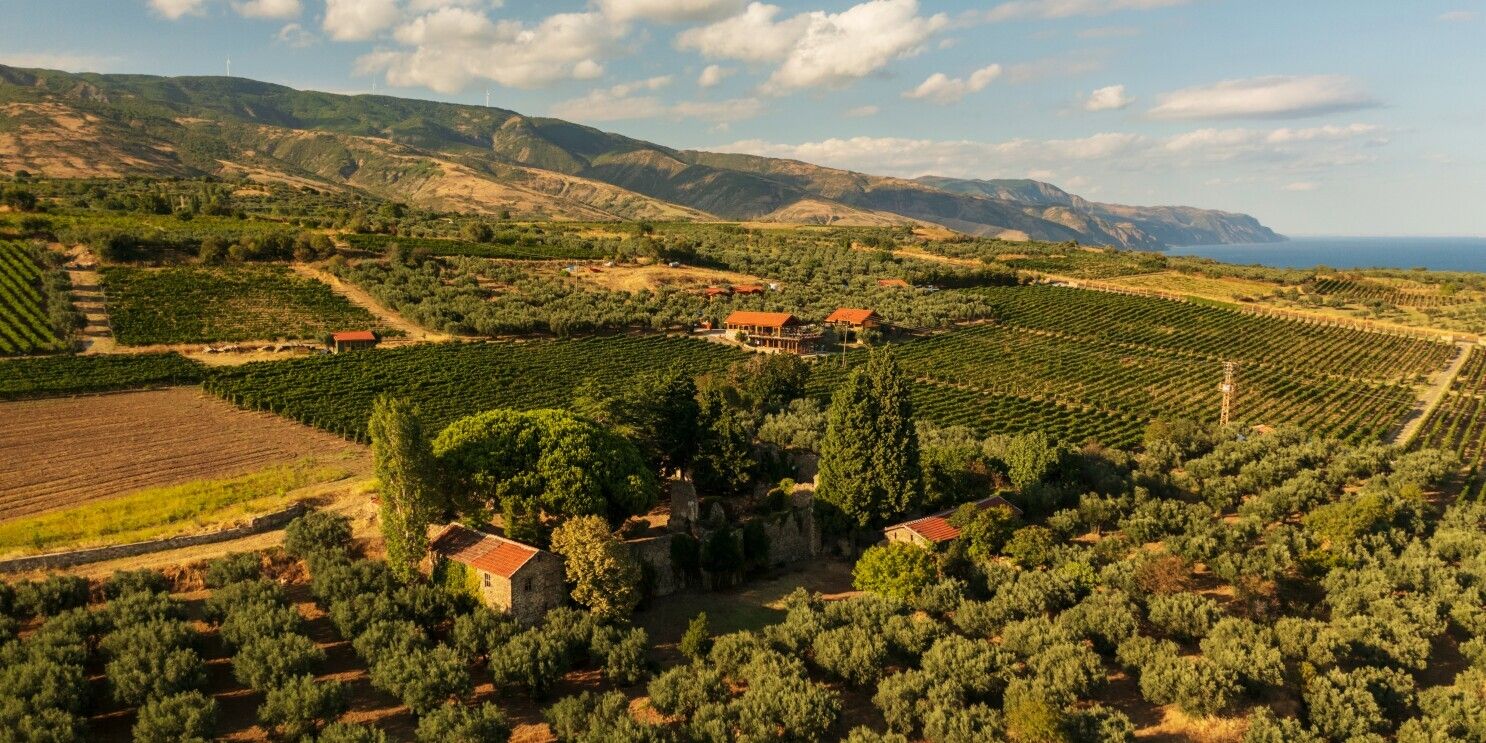
Turkey’s Thrace wine region blends ancient viticultural roots with modern ambition, shaped by a maritime Mediterranean climate, diverse soils and a mix of indigenous and international grape varieties. Often likened to Bordeaux yet defined by local grapes like Papaskarasi, the region is emerging as a boutique, sustainability-minded destination, with growing wine tourism and strong potential still largely undiscovered on the global stage.
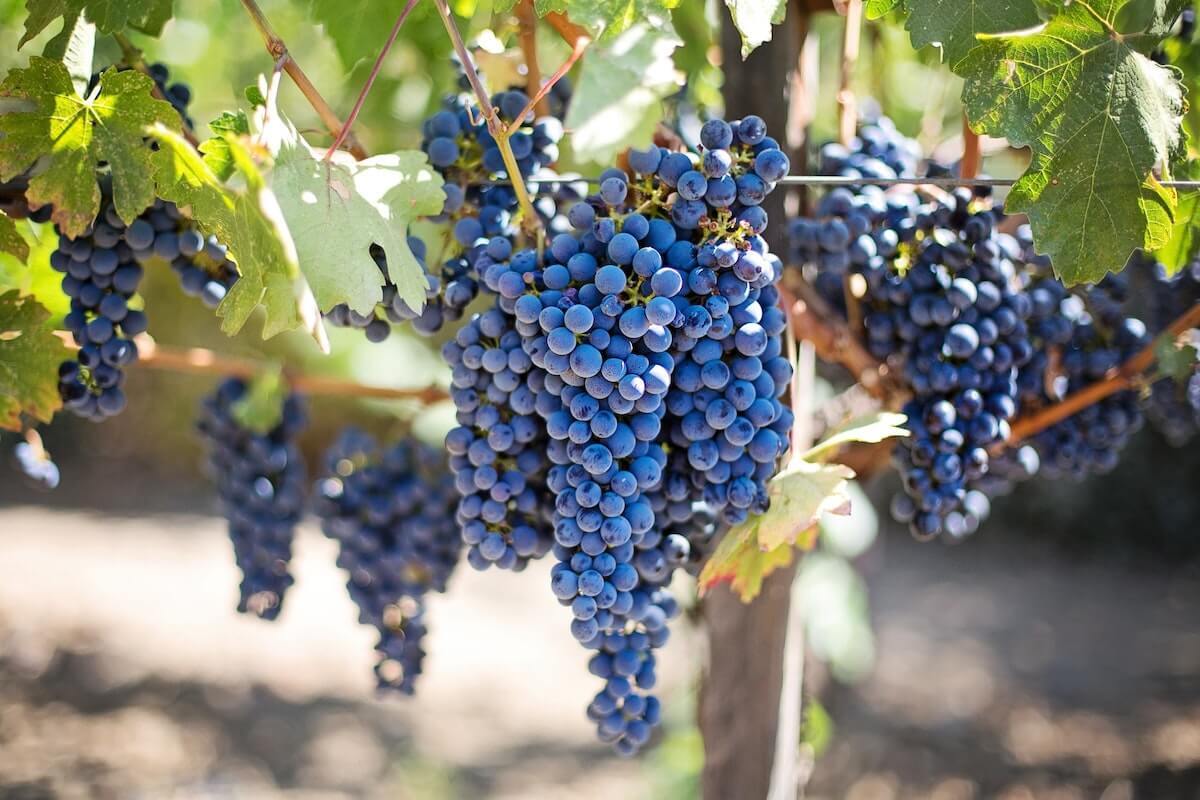
Copyright @ Wayana Wine Bar
GRAPE OF THE WEEK: PAPAZKARASI
Papazkarasi is an ancient Turkish red grape, traditionally grown around the Sea of Marmara and in Thrace, known for its low yields, late ripening and naturally high acidity. It produces medium-bodied wines with firm tannins and floral, dark-fruit aromas, most often blended to soften its structure, though varietal examples highlight its distinctive, old-world character.
How are you satisfied with this week's DECORKED?Let us know, so we can do better. Simply click bellow. |
If someone forwarded this email to you, click HERE to subscribe.

Help us grow and earn rewards.