- DECORKED
- Posts
- 🌟 New Year, New Vines
🌟 New Year, New Vines
In this week’s DECORKED digest, discover why Spain is chasing young talent, how Burgundian style is spreading worldwide, Napa is thinking long-term, which Champagnes are worth every sip, and much more.

Collection of important links, information, and more.
📌 EMAIL - contact for business inquiries
📌 ADVERTISING - for advertising inquiries contact us via the email above
Happy Monday! As we await the New Year, in this week’s DECORKED digest, discover why Spain is chasing young talent, how Burgundian style is spreading worldwide, Napa is thinking long-term, which Champagnes are worth every sip, and much more. Keep reading!
➡️ PARTNERSHIP/SPONSORSHIP packages are available! Advertise your wine-related brand/product/story with the best community out there. For contact, please see above.

Read the most important and interesting news this week.
📌 If you love Pinot Noir, meet your new favorite wine region READ HERE
💡 Are sustainable labels resisting the slumping sales? READ HERE
📝 Cabernet Sauvignon shipments top $916 million READ HERE
🍇 The city natural wine lovers know to flock to READ HERE
💥 Top wine news of 2025 READ HERE

Collection of partnerships and collaborations.
📌 AMBLE WINE PARTNERSHIP - Explore the world of wine with Amble Wine's comprehensive World Wine Map Workbooks and challenging Wine Quiz Workbook, masterfully crafted by wine scholar Lea Gatinois. As our valued reader, enjoy a 5% discount on these premium, eco-friendly resources using code DECORKED at checkout (or click HERE). Expand your wine expertise today!

We curate, filter, and select only the most exciting and important news for you.

SPAIN NEEDS YOUNG WINEMAKERS
Spain’s €22bn wine industry is facing a growing generational crisis, with nearly three-quarters of growers over 50 and fewer than 10% under 40, as rural depopulation, climate pressure, and shifting career preferences make it harder to attract young talent. Industry leaders warn that without urgent renewal, vineyard continuity is at risk, pushing the sector to modernise through sustainability, digital skills, tourism, and a stronger entrepreneurial narrative. While a new generation of technically trained winemakers is emerging, retaining them will require making winegrowing economically viable, socially valued, and attractive beyond tradition alone.

THE BURGUNDISATION OF WINE
A growing number of wine regions are moving toward a Burgundian model that prioritizes site expression, small-scale production, and elegance over power, reflecting both shifting consumer tastes and a broader philosophical shift. This trend extends beyond lighter styles to embrace terroir-driven classification, single-vineyard focus, and producer storytelling, helping regions such as Piedmont and Sicily, as well as Champagne, Oregon, and even England, position authenticity and discovery against corporate scale and status-driven branding.

WINE IS A LIFELONG GIFT
As the New Year begins, wine continues to prove itself as both a product and an experience that deepens over time. From structured education at institutions to curated gifting, tastings, and major food-and-wine events across California, learning, travel, and shared experiences are becoming central to wine culture. Whether through education, thoughtfully packaged local wines, or immersive festivals, wine still remains a meaningful way to connect curiosity, craftsmanship, and community well beyond the holiday season.

THE WINE WORLD SPEAKS
This year’s most revealing wine conversations weren’t about medals or market hype, but about what’s quietly shifting beneath the surface. Labour conditions, sustainability, pricing pressure, closures, data, and changing consumer expectations all came into focus, alongside a clear stylistic move toward freshness, precision and wines that can be enjoyed earlier. Across regions and categories, the message was consistent: adapt, stay curious, and engage honestly, because in today’s wine world, standing still is the riskiest move of all.

NAPA IS RETHINKING ITS FUTURE
As Napa Valley moves into its next phase, a new generation of winemakers is redefining success beyond scores and spectacle. Faced with climate pressure, high costs, legacy brands, and increasingly sceptical consumers, the focus is shifting toward long-term stewardship, disciplined experimentation, and wines shaped by resilience rather than excess. Cabernet remains central, but diversification, agroecology, biodiversity and earlier-drinking styles are gaining ground. Across estates large and historic alike, the message is clear: Napa’s future won’t be built on chasing the past, but on thoughtful adaptation, integrity and decisions designed to matter decades from now.
FRENCH WINES UNDER PRESSURE
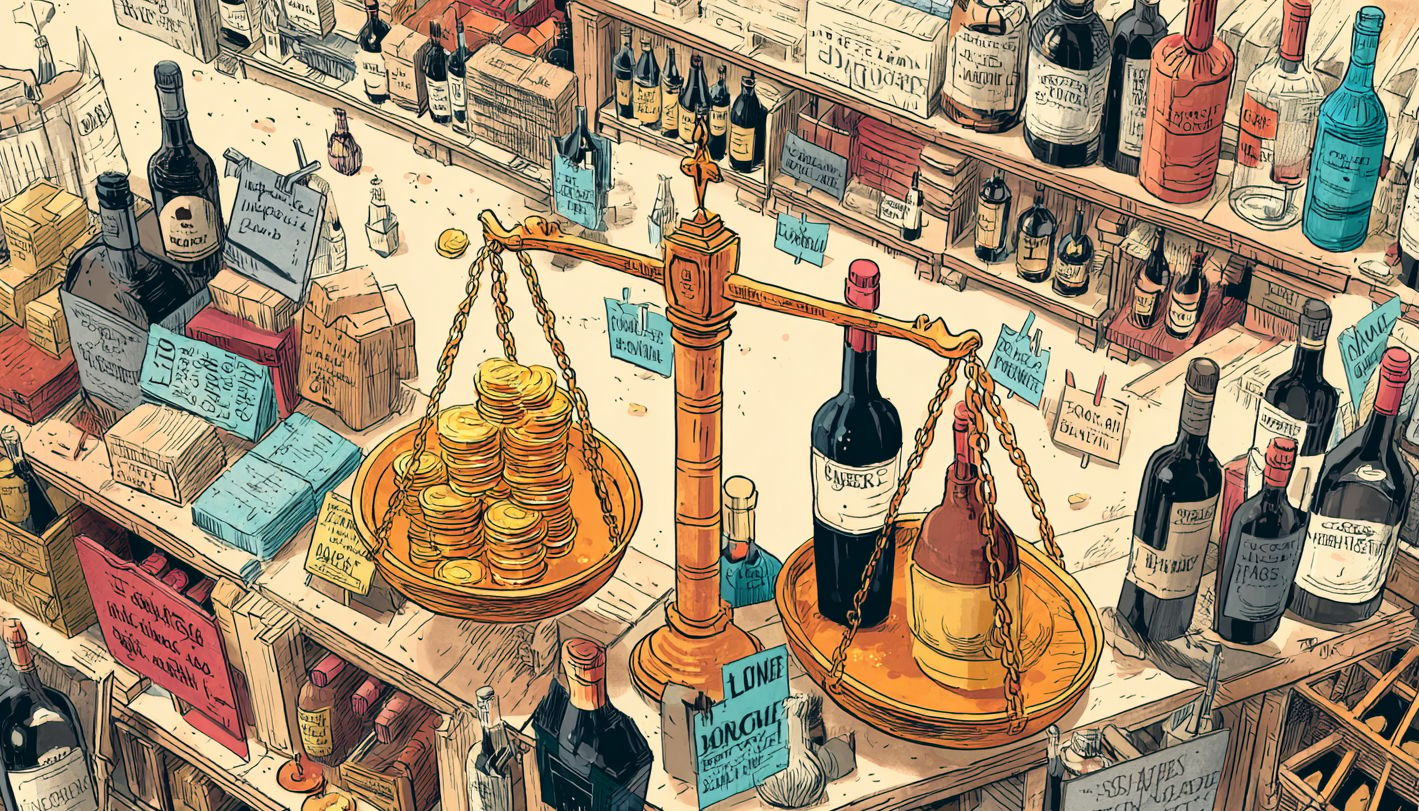
Bordeaux faces severe oversupply, with thousands of hectares set for conversion to other crops under a new bank-backed land management program to avoid bankruptcies. Burgundy erupted over a misleading “Burgundian” label in a discount ad, prompting its removal. Meanwhile, the EU formalized subregional designations in Pays d’Oc and allowed Loire’s Coulée de Serrant estate to drop the Savennières name, reflecting broader pressures on French wine regions to adapt, protect brands, and navigate evolving regulations.

THE BEST CHAMPAGNE OF 2025
Despite recent challenges from economic and political uncertainty, Champagne remains the ultimate festive indulgence. The top-ranked 2025 releases are dominated by a handful of iconic houses, led by Krug, Dom Pérignon, Louis Roederer, Jacques Selosse, and Billecart-Salmon. Highlights include Krug Clos du Mesnil Blanc de Blancs and Clos d’Ambonnay Blanc de Noirs, Dom Pérignon P3 Plénitude, and Louis Roederer Cristal Rosé, with scores of 95–96 points. Prices vary dramatically, from the accessible Billecart-Salmon Le Clos Saint Hilaire at $529 to the ultra-premium Dom Pérignon P3 at $5,318, proving that whether modest or opulent, Champagne continues to define the season’s celebrations.

Learn something new every week.
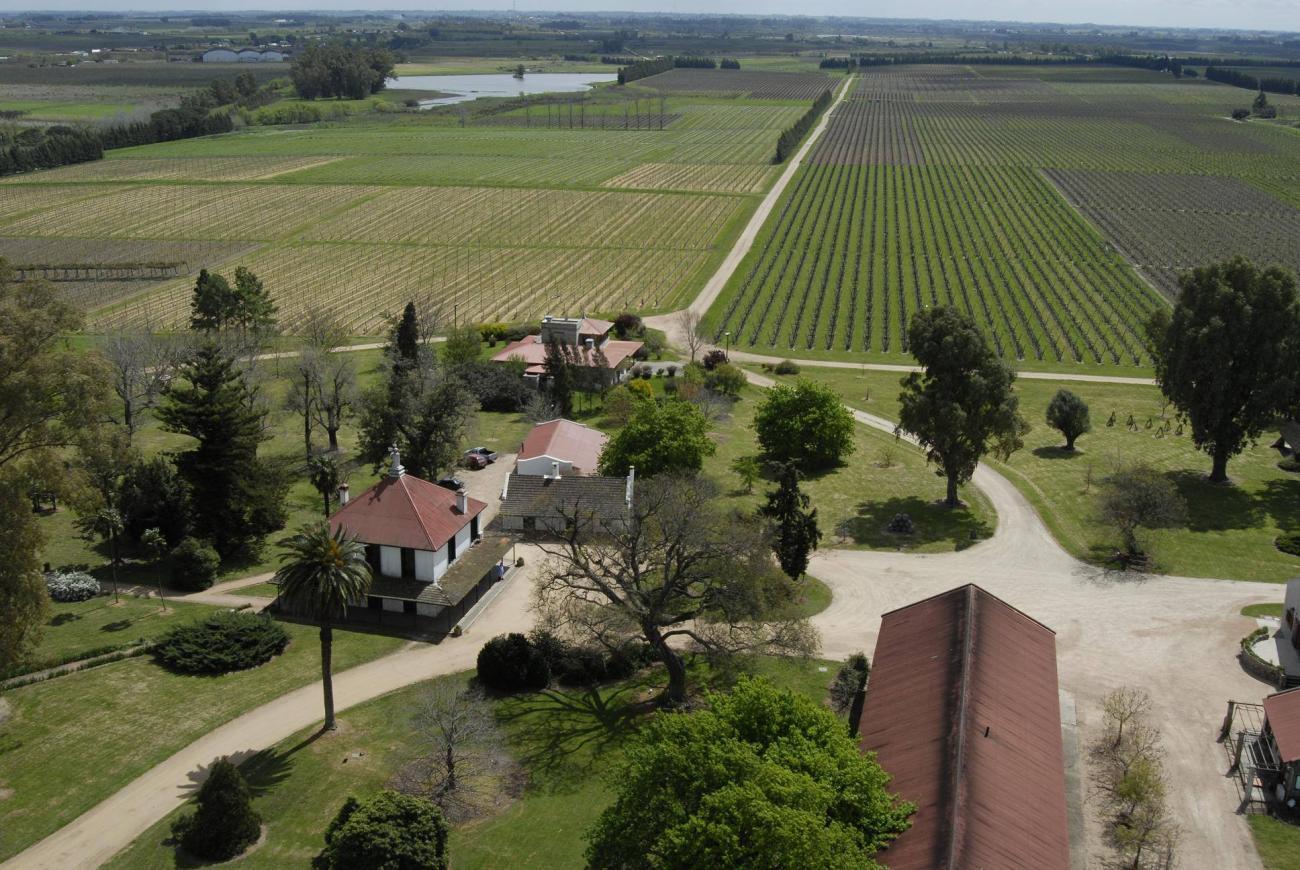
Copyright @ Descubri Montevideo
WINE REGION OF THE WEEK: JUANICO, URUGUAY
Just 16 km from Montevideo, Juanicó is a key center of Uruguay’s wine industry, alongside Progreso. The region features flat, low-lying terrain, temperate climate, and well-drained chalky clay soils, perfect for dry-farmed vineyards. Tannat dominates here, producing Uruguay’s richest, most tannic reds, while international varieties like Chardonnay, Sauvignon Blanc, Merlot, Cabernet Franc, and Syrah also thrive.
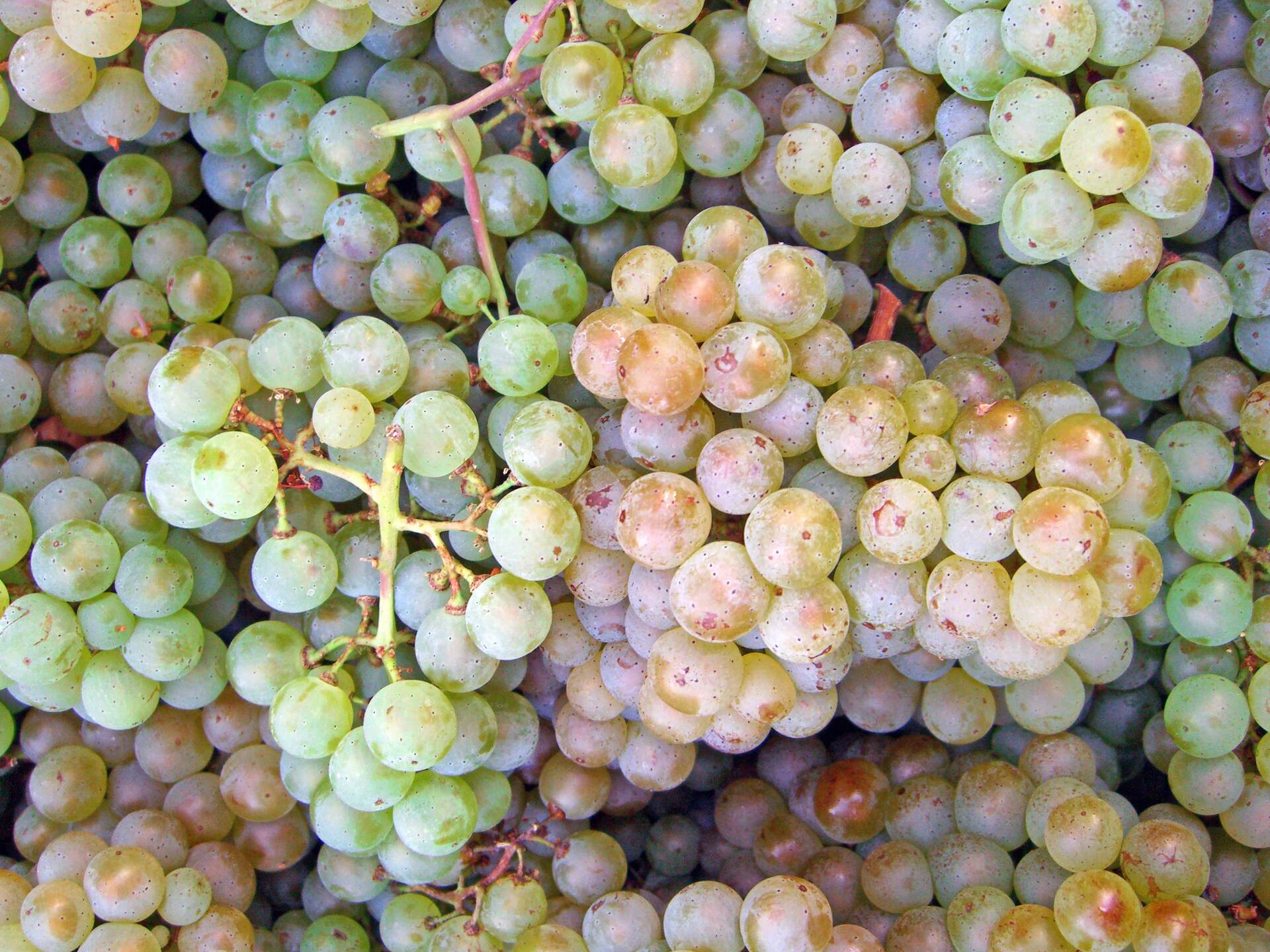
Copyright @ Wikipedia
GRAPE OF THE WEEK: PINOT BLANC
A white mutation of Pinot Noir, Pinot Blanc produces still, sparkling, and dessert wines. Key regions include Alsace (France), Alto Adige (Italy), Germany, Austria, and Canada. Wines range from crisp and light to rich, oak-aged, or sweet styles. Flavors often show apple, almond, and subtle spice. Known as Pinot Bianco, Weissburgunder, or Klevner depending on the region.
How are you satisfied with this week's DECORKED?Let us know, so we can do better. Simply click bellow. |
If someone forwarded this email to you, click HERE to subscribe.

Help us grow and earn rewards.